Mastering TIG welding can transform your family DIY projects, elevating both your skills and confidence. This precise technique not only delivers high-quality results but also opens up endless possibilities for custom creations, from furniture to repairs. By understanding the fundamentals and collaborating together, your family can boost teamwork and innovation. Curious about how to get started and what tools you’ll need? Let’s explore the essentials that will set you on the right path.
Key Takeaways
- Mastering TIG welding enhances precision in creating custom furniture and unique projects, elevating the quality of family DIY undertakings.
- Knowledge of TIG welding basics fosters confidence and skill development, empowering family members to tackle more complex projects safely.
- Engaging in TIG welding promotes teamwork and shared learning experiences, strengthening family bonds through collaborative projects.
- The ability to repair and restore items, like bicycles or tools, saves money and encourages sustainability within the household.
- Mastery of TIG welding opens up a world of creative possibilities, allowing families to design and fabricate one-of-a-kind art pieces.
Understanding TIG Welding Basics for DIY Projects
When you immerse yourself in the world of DIY projects, understanding TIG welding basics can set you apart from the rest. TIG welding, or tungsten inert gas welding, is a versatile technique that allows you to join metals with precision and strength. You’ll need to grasp the concepts of the welding arc, filler rods, and shielding gases. By mastering these fundamentals, you’ll boost your confidence and skill set in any project you tackle. Whether you’re building a custom grill or repairing metal furniture, knowing TIG welding basics helps you create professional-quality results. Don’t shy away from the challenge; embrace it! With practice and patience, you’ll become the go-to expert in your family, fostering a sense of belonging and accomplishment.
Essential Tools and Equipment for TIG Welding
To effectively master TIG welding, having the right tools and equipment is fundamental. Start with a quality TIG welder; it’s your primary tool. You’ll also need a suitable tungsten electrode for the materials you’re working with. Don’t forget about filler rods; they’re essential for adding material to your welds. A gas supply, usually argon, is required to protect your weld from contamination.
Investing in a good helmet and protective gear is imperative for safety and comfort. Finally, a sturdy workbench and clamps will help stabilize your projects. With these fundamental tools and equipment, you’ll be well-equipped to tackle family DIY projects and create lasting memories together. Embrace the journey; you belong in this exciting world of TIG welding!
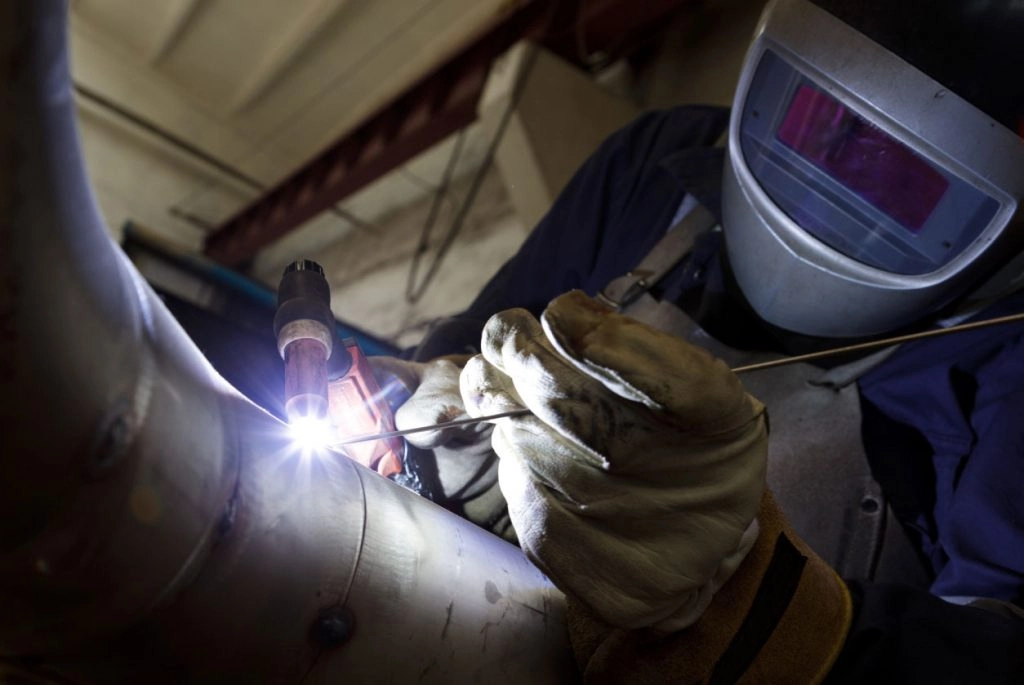
Safety Guidelines for Family DIY Welding Projects
Before diving into your DIY welding projects, it’s crucial to prioritize safety to guarantee a positive experience for the whole family. Start by wearing appropriate protective gear like gloves, goggles, and flame-resistant clothing. Confirm your workspace is well-ventilated to avoid harmful fumes. Keep a fire extinguisher nearby and clear the area of any flammable materials.
Involve your family in safety discussions, so everyone understands the risks and protocols. Always check your equipment before use, and never work alone, especially if you’re a beginner. By following these safety guidelines, you’ll create a secure environment that encourages creativity and teamwork. Mastering TIG welding basics can be a fun and rewarding experience for your family!
Common Applications of TIG Welding in Home Projects
While many people might not realize it, TIG welding opens up a world of possibilities for various home projects. You can tackle everything from creating custom metal furniture to repairing garden tools. If you’ve got an old bicycle frame that needs fixing, TIG welding can restore it to its former glory. You can also construct unique art pieces or decorative railings that add a personal touch to your home. Additionally, TIG welding is perfect for automotive repairs, allowing you to handle exhaust systems or bodywork with ease. The precision and control that TIG welding offers make it an ideal choice for any DIY enthusiast wanting to elevate their projects. Embrace TIG welding basics, and watch your creativity flourish!
Tips for Mastering TIG Welding Techniques at Home
Mastering TIG welding techniques at home can greatly enhance the quality of your DIY projects, allowing you to achieve professional-level results. Start by familiarizing yourself with TIG welding basics—understand your machine, tungsten electrode, and filler materials. Practice on scrap metal to develop a steady hand and control your heat settings; this’ll help prevent burn-throughs. Keep your workspace clean and organized; it’ll make a noticeable difference in your results. Don’t hesitate to watch tutorials or join online forums where you can share your experiences and learn from others. Remember, patience is key—everyone starts somewhere. Enjoy the journey, and soon you’ll be creating impressive projects that you and your family can cherish together!
Frequently Asked Questions
What Materials Are Best Suited for TIG Welding Projects?
You’ll find that aluminum, stainless steel, and carbon steel are ideal for TIG welding projects. These materials offer excellent results, allowing you to create strong, precise welds that enhance your DIY skills and confidence.
How Long Does It Take to Learn TIG Welding Basics?
You can grasp TIG welding basics in just a few weeks with consistent practice. Dedicate time to learn techniques, and you’ll build confidence quickly, making it easier to tackle projects and connect with others in the craft.
Can TIG Welding Be Used for Automotive Repairs?
Yes, TIG welding’s great for automotive repairs! It allows you to create strong, precise welds on various metals. With practice, you’ll gain confidence, making your projects not just repairs but exciting opportunities for creativity and skill-building.
Are There Any Alternatives to TIG Welding for DIY Projects?
Yes, there are alternatives to TIG welding for DIY projects. You can try MIG welding, stick welding, or even soldering. Each method has its advantages, so choose one that fits your project needs and skills!
What Are the Costs Associated With Starting TIG Welding?
Starting TIG welding can cost you between $1,000 and $3,000 for equipment and materials. Don’t let the expenses discourage you; investing in quality gear pays off in skill development and exciting DIY projects you’ll enjoy.
Conclusion
Mastering TIG welding can transform your family DIY projects, boosting both skills and creativity. With a solid grasp of the basics, the right tools, and a focus on safety, you can tackle a variety of projects together. From custom furniture to bike repairs, the possibilities are endless. As you practice and refine your techniques, you’ll not only enhance your craftsmanship but also strengthen family bonds through collaboration. Embrace the challenge and watch your DIY dreams come to life!
You May Also Like To Read: